—
For years, the fentanyl epidemic has torn through American communities, leaving a trail of heartbreak, shattered families and overburdened healthcare systems in its wake.
Nationally, the crisis has often felt insurmountable, frequently exacerbated by porous borders and passive, hands-off approaches to addiction in many states. Yet, in the face of this seemingly unstoppable tide, Florida has chosen a different path.
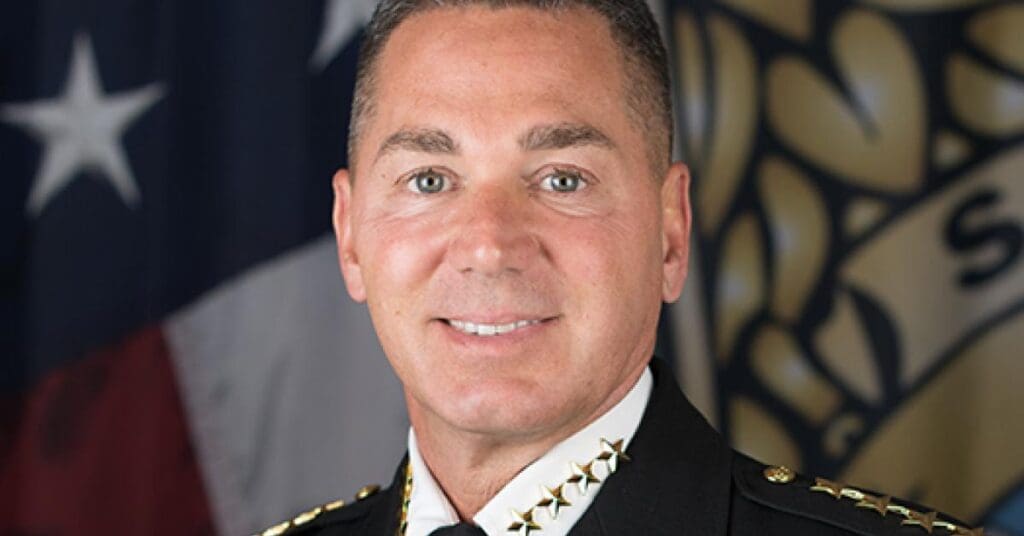
John Koufos is president of Cottage Four Strategic Solutions. (courtesy, John Koufos)
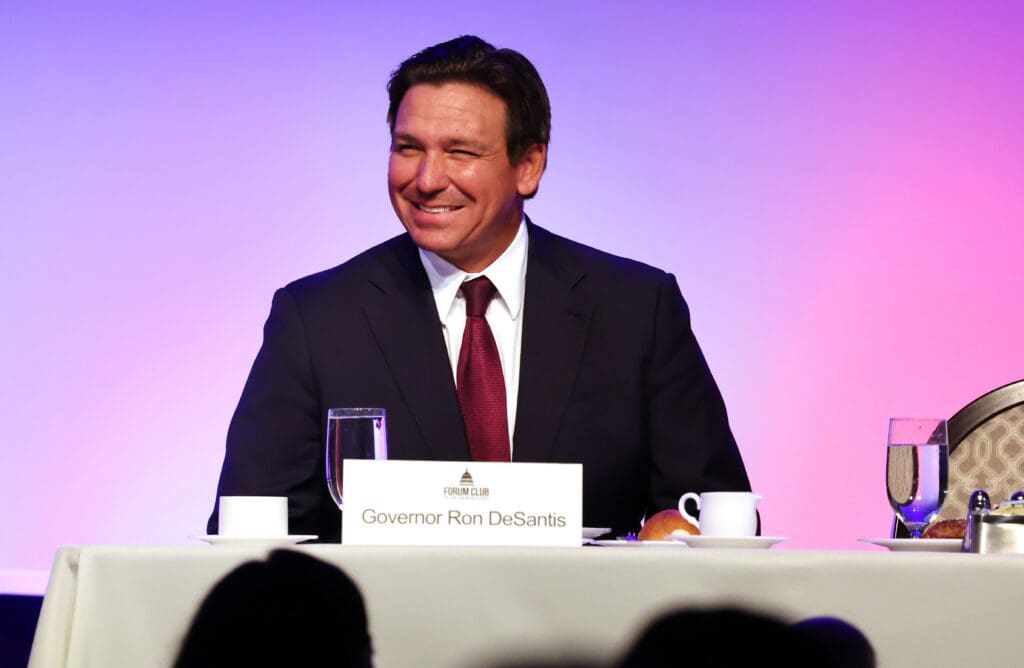
Under Gov. Ron DeSantis’ leadership, the Sunshine State has rejected complacency. By deploying an aggressive, multifront strategy that couples strong law enforcement interdiction with a revolutionary model of public healthcare, Florida is proving to the nation that the war on fentanyl can be won.
DeSantis recently announced a historic decline in drug-related fatalities. The numbers represent a monumental triumph for public safety: statewide drug-related deaths fell by 19%, opioid-caused deaths plummeted by 42%, and fentanyl-caused deaths dropped by a staggering 46%. When contrasted against the peak of the fentanyl crisis in 2021, when 5,791 Floridians lost their lives, the current drop to roughly 1,500 annual occurrences represents a 62% long-term decrease.
This massive victory did not happen by accident; it is the direct result of a governor who understands that public safety demands relentless, unapologetic action. Through initiatives like the State Assistance for Fentanyl Eradication (SAFE) grant program, Florida has taken a sledgehammer to illicit trafficking networks. The SAFE program has led to over 3,000 arrests and the seizure of 600 pounds of lethal fentanyl. By aggressively targeting cartels and enforcing strict criminal penalties for drug dealers who poison Florida’s citizens, the administration has successfully squeezed the supply of illicit narcotics off Florida’s streets.
However, laws are only as effective as the brave men and women who enforce them. True to his doctrine of supporting those on the front lines, the governor is leveraging state budget negotiations to champion well-deserved financial rewards for law enforcement and corrections personnel. He urged the Florida Legislature to approve $13.5 million in pay increases for sworn state law enforcement officers alongside $11 million for a Florida Highway Patrol career development plan.
Crucially, the governor’s proposal goes deep into state correctional institutions, pushing to elevate the starting pay of correctional officers and funding 500 new positions. These increases are long overdue, considering the outstanding work Florida Department of Corrections does every day.
While keeping poison off the streets is paramount, rescuing those caught in the grip of addiction is the equally vital second half of Florida’s strategy. In 2022, Florida launched the Coordinated Opioid Recovery (CORE) Network, a comprehensive, statewide system of addiction care. For decades, traditional addiction response fell into a broken “revolving door”: an individual would overdose, get rushed to an emergency room, undergo brief detox, get discharged into the same environment, and front-load an inevitable relapse.
By integrating first responders, emergency medical departments, and specialized long-term clinics, CORE provides a seamless “warm hand-off” managed by non-judgmental peer navigators. The results speak volumes: CORE providers have responded to nearly 18,000 emergency calls where a life was directly saved through the administration of naloxone.
Gov. DeSantis combined strong law enforcement interdiction with the healing hand of recovery and provided an American blueprint for defeating the opioid epidemic. The historic decline in fentanyl deaths stands as a testament to what is possible when leaders back their law enforcement officers, invest heavily in frontline personnel, and execute compassionate, data-driven public health initiatives. Their efforts offer a true pathway to sustainable recovery while safeguarding potential future victims.
John Koufos of Washington, D.C., is president of Cottage Four Strategic Solutions. A former criminal trial attorney, he now advises the private and public sectors on technology, healthcare and justice issues. Follow him on X @JGKoufos or at cottagefour.com.